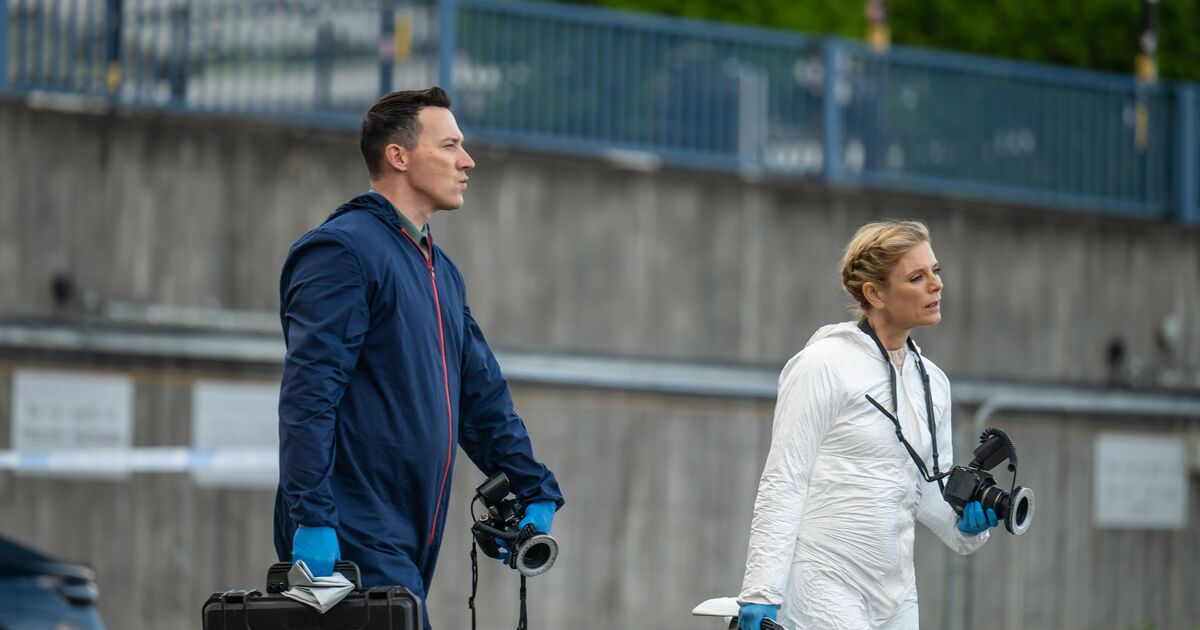
When Silence Breaks: Understanding Why "Silent Witness" Episodes Get Replaced
Few things frustrate dedicated television viewers more than a beloved show being unexpectedly pulled from the schedule. For fans of the BBC's long-running crime drama, Silent Witness, this has been an occasional, yet deeply felt, reality. The phrase "silent witness replaced" conjures up a specific kind of disappointment, whether it's due to the scheduling clashes with live sporting events or, more critically, the profound impact of real-life tragedies mirroring fictional narratives. This article delves into the distinct instances where Silent Witness found its slot usurped, exploring the BBC's complex decisions and the vocal reactions from its loyal audience.
When Football Kicked Out Forensics: The Scheduling Saga of 2020
One of the most common reasons for mainstream drama schedule disruptions is the immutable force of live sports. In February 2020, Silent Witness fans were left fuming when a highly anticipated episode, part two of a thrilling double bill, was abruptly replaced by an FA Cup match. The popular crime series, along with medical drama Holby City, found itself benched on Tuesday, February 4th, as BBC One opted to air Live Match of the Day featuring Oxford United taking on Newcastle United from Kassam Stadium. This decision came at a particularly inconvenient moment for Silent Witness viewers, as the preceding Monday episode had ended on a tense cliffhanger, leaving protagonist Jack Hodgson's life in precarious balance and Clarissa Mullery facing a difficult choice.
The outrage was palpable across social media platforms. Fans took to Twitter in droves, expressing their discontent and questioning the BBC's programming priorities. "Thank you @BBCOne for putting football on last night instead of Silent Witness. It’s not like any of us need to know if Jack is dead or not…", one exasperated viewer sarcastically noted. Another queried, "Why don’t they put the footie on BBC2 instead of moving our fave Holby and Silent Witness? Less people must watch BBC2 surely? Not a happy bunny. We miss our dose of Holby!" The sentiment was clear: many felt that established, popular dramas should not be so readily shunted aside for sports, especially when alternative channels within the BBC's own portfolio might serve as a more suitable home for live matches. For a deeper dive into the immediate fallout from this particular incident, you can read our detailed coverage on BBC Football Swap: Holby City & Silent Witness Fans Outraged. While the episodes were rescheduled for the following day, the initial disruption highlighted the ongoing tension between dedicated drama audiences and the unpredictable nature of live broadcasting.
"The Enemy Within" Pulled: A Real-Life Echo in 2026
Far more serious and ethically complex was the decision in February 2026 to replace a scheduled Silent Witness episode titled "The Enemy Within" with a rerun. This instance of "silent witness replaced" wasn't due to a scheduling conflict but a somber reflection of real-world events. The original episode, which reportedly centred on a racially charged stabbing and escalating city tensions, was deemed too sensitive to air following a harrowing real-life machete attack in Birmingham. This tragic incident left two teenagers injured and resulted in the arrest of a 12-year-old, sending shockwaves through the community.
The BBC cited the recent attack as the explicit reason for the last-minute change, acknowledging the potential for distress and insensitivity if the fictional plot, so closely mirroring a real tragedy, were broadcast. Instead, earlier episodes focusing on a construction site murder were aired, offering viewers a different narrative while allowing the broadcaster to navigate the delicate ethical waters. Viewers, however, were still left confused, their expectations for the ongoing storyline disrupted without immediate explanation of the change. This difficult decision underscores the immense responsibility broadcasters bear when their content risks intersecting with current events, often forcing them to prioritize public sensitivity over pre-planned programming. It's a stark reminder that sometimes, the "silent witness" of television must itself fall silent in the face of real-life suffering.
The Broadcaster's Tightrope Walk: Why Schedules Shift
These two distinct scenarios illustrate the multifaceted challenges faced by major broadcasters like the BBC when managing their schedules. The decision to pull or replace an episode of a show as popular as Silent Witness is never taken lightly, and it typically stems from a confluence of factors, primarily:
- Live Event Precedence: As seen with the FA Cup, major live sporting events, breaking news, or significant political broadcasts (like general elections or royal events) often take immediate precedence. These events, by their nature, cannot be pre-recorded or easily moved, forcing other scheduled programming to yield.
- Public Sensitivity and Duty of Care: The case of "The Enemy Within" exemplifies the BBC's moral and ethical obligation to its audience. When fictional narratives closely parallel real-life tragedies, especially those involving violence or community tension, broadcasters must weigh the potential for causing distress, offence, or even fueling further tension. This "duty of care" often leads to content being postponed, re-edited, or replaced.
- Strategic Programming: Less frequently, shows might be moved for strategic reasons, such as avoiding a clash with a rival channel's highly-rated program, or placing an episode in a more advantageous slot to maximize viewership. While not typically a reason for a last-minute pull, it contributes to the overall fluidity of broadcast schedules.
- Technical Issues: Although rare for established dramas, technical glitches during broadcast or last-minute issues with episode delivery can also necessitate a schedule change.
The rise of on-demand viewing platforms like BBC iPlayer has somewhat mitigated the immediate sting of these disruptions, as viewers can often catch up at their convenience. However, the initial shock and frustration for those tuned in live remain potent. For more insights into the broader context of schedule shifts at the BBC, explore our article on BBC Schedule Woes: Why Popular Shows Like Silent Witness Get Moved.
Navigating Viewer Frustration: What Broadcasters Can Do
While schedule changes are sometimes unavoidable, broadcasters can employ several strategies to manage viewer frustration:
- Clear and Timely Communication: Announcing changes well in advance, and explaining the reasons transparently, can significantly reduce public outcry.
- Alternative Viewing Options: Emphasizing immediate availability on catch-up services like iPlayer helps ensure dedicated fans don't miss out entirely.
- Dedicated Channels: The argument for dedicated sports channels (which the BBC largely has, but still occasionally uses BBC One for major events) remains strong among drama fans.
- Social Media Engagement: Actively monitoring and responding to viewer feedback on social media can help manage sentiment and provide real-time updates.
Beyond the Upset: The Enduring Appeal of Silent Witness
Despite these occasional disruptions, the enduring popularity of Silent Witness remains undiminished. Its longevity, spanning decades and featuring beloved characters like Nikki Alexander, Jack Hodgson, and Clarissa Mullery (and before them, Sam Ryan and Leo Dalton), speaks volumes about its compelling narratives and strong ensemble cast. The show's ability to blend intricate forensic detail with gripping human drama, exploring complex ethical dilemmas and social issues, has cemented its place as a cornerstone of British television.
The very passion that fuels viewer outrage when "silent witness replaced" becomes a reality is a testament to the show's deep connection with its audience. Fans are invested not just in the mysteries, but in the lives and relationships of the characters. This strong bond makes any interruption feel personal, highlighting the unique relationship between a long-running series and its dedicated viewership.
Whether displaced by the roar of the football stadium or the solemn silence in the wake of real-world tragedy, the instances where Silent Witness found its episodes replaced serve as poignant reminders of the dynamic and often unpredictable nature of broadcasting. For the BBC, it's a constant balancing act between live event demands, public sensitivity, and the loyalty of its drama audiences. For viewers, it's a testament to their unwavering dedication to a show that, even when temporarily silent, continues to witness and captivate.